The Art of the First Flush: Mountain Terroir, Craft, and the Meditative Ritual of Spring Tea
From the mist-draped terraced peaks of high-altitude origins to the quiet warmth of a celadon gaiwan—an expansive inquiry into the sensory poetry, biochemical harmony, and mindful ritual of the season’s most coveted harvest.
I. The Awakening: Why Spring Tea Captivates the Senses
Nature’s Winter Slumber Transformed into Liquid Elegance
Before the vernal equinox, high upon the jagged granite ridges shrouded in perennial cloud blankets, ancient tea bushes stir from months of restorative dormancy. Throughout the frigid winter, the root systems of Camellia sinensis run deep into mineral-rich soils, slowly gathering subterranean vitality. They absorb trace minerals, synthesize essential amino acids, and hoard natural carbohydrates without expending energy on rapid foliage expansion.
When the tender warmth of spring finally breaks across the ridgelines, this pent-up energy surges into the very first flush of apical buds. To touch these shoots at dawn is to witness life at its most fragile and concentrated. The resulting liquor does not merely quench thirst; it communicates the crisp chill of winter meltwater, the damp richness of mountain loam, and the sheer vibrancy of renewed growth.
In our accelerating, hyper-digitized existence, the act of preparing this first flush represents far more than beverage preparation. It is an intentional surrender of haste—a tangible invitation to quietude, sensory recalibration, and an intimate communion with the living seasons.
“Tea does not demand your attention with clamor; it rewards your presence with quietude. In a single steep, an entire mountain range whispers its secret history.”
II. Terroir & Agronomy: The Altitude and Cloud Cover Matrix
Diurnal Temperature Shifts and Soil Geochemistry
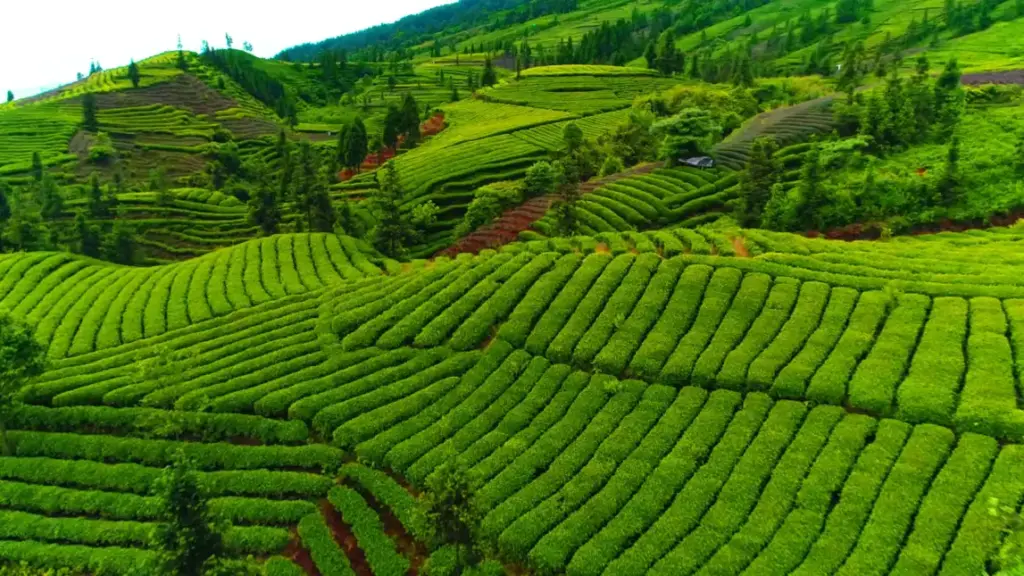
Not all spring leaves are created equal. True artisan excellence is inextricably linked to microclimatic geography—what the French call terroir and Chinese tea masters honor as Shanshui (Mountain and Water). High mountain gardens perched between 800 and 1,800 meters above sea level enjoy an ecological sweet spot.
At these elevations, dense cloud curtains shield the tender leaves from aggressive ultraviolet radiation. This natural diffused illumination filters blue and ultraviolet spectrums, significantly reducing the enzymatic conversion of sweet L-theanine into bitter polyphenols. Concurrently, dramatic diurnal shifts—warm, sun-kissed afternoons followed by biting mountain nights—retard vegetative cell growth, allowing dense layering of aromatic volatile compounds, linalool, and geraniol within each cellular wall.
The subsoil adds the final signature. Decomposed granite, weathered slate, and slightly acidic red clay rich in iron and phosphorus impart a distinct tactile minerality—a subterranean spine that anchors the airy floral notes of the brew.
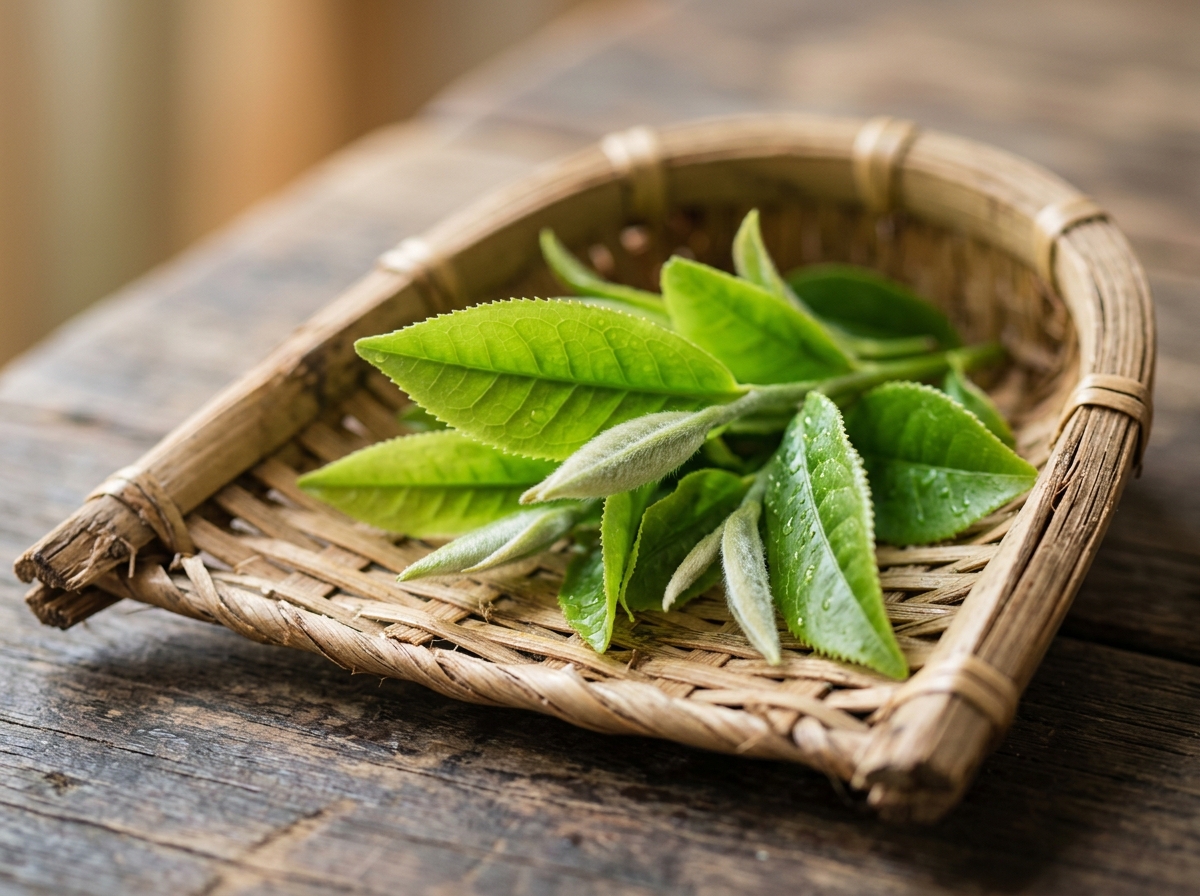
Connoisseur’s Evaluation: Three Keys to Authenticating First Flush
- Visual Inspection: Seek unbroken, uniform bud-and-single-leaf shoots coated in fine silvery fuzz (baihao), which glistens under natural light.
- Dry Leaf Aromatics: Gently warm the vessel and introduce the dry leaves. A premier spring flush will emanate notes of toasted chestnuts, sweet cream, and wild white orchids.
- Elastic Resilience: Upon light finger pressure, properly cured dried leaves should snap crisply without turning to powdery dust, indicating optimal residual moisture (around 4–5%).
III. The Molecular Harmony: L-Theanine, Catechins, and Umami
The Biochemistry Behind the “Tea Mind” and Lasting Sweetness
The extraordinary balance of early spring tea can be understood through its unique molecular architecture. Unlike harsh summer harvests characterized by dominant, astringent tannins, the first flush possesses an extraordinarily high ratio of L-theanine (an amino acid unique to tea and select fungi) relative to epigallocatechin gallate (EGCG).
L-theanine is responsible for that savory, mouth-coating sensation known as umami (Xianwei). Neurochemically, it readily crosses the blood-brain barrier, stimulating alpha brainwave activity. This state promotes what neuroscientists describe as “relaxed alertness”—an antidote to caffeine-induced jitteriness. The synergistic interplay between L-theanine and low levels of naturally occurring caffeine explains the timeless association between tea and meditative contemplation.
Furthermore, the prolonged, throat-coating sweetness that blossoms minutes after swallowing—a sensory hallmark revered in the East as Hui Gan (returning sweetness)—is driven by volatile glycosides that slowly hydrolyze upon contact with salivary enzymes.
IV. The Vessel & The Water: The Sacred Architecture of the Gaiwan
Thermal Precision, Water Chemistry, and Fluid Dynamics
Ming Dynasty polymath Zhang Dafu recorded a timeless truth in his treatises: “The essence of tea is awakened only through water. Eight parts of tea meeting ten parts of water yields ten parts of magic; yet ten parts of tea drowned by eight parts of water yields mere mediocrity.”
For delicate spring greens and lightly oxidized oolongs, avoid boiling water. Water at a rolling boil (100°C / 212°F) will scorch the tender chloroplasts, releasing unpleasantly bitter tannins and scorching the delicate volatile esters. Instead, target a thermal window between 80°C and 85°C (176°F–185°F). Allow freshly boiled soft spring water—ideally with low total dissolved solids (TDS 30–80 ppm)—to rest until gentle vapors rise in soft curls.
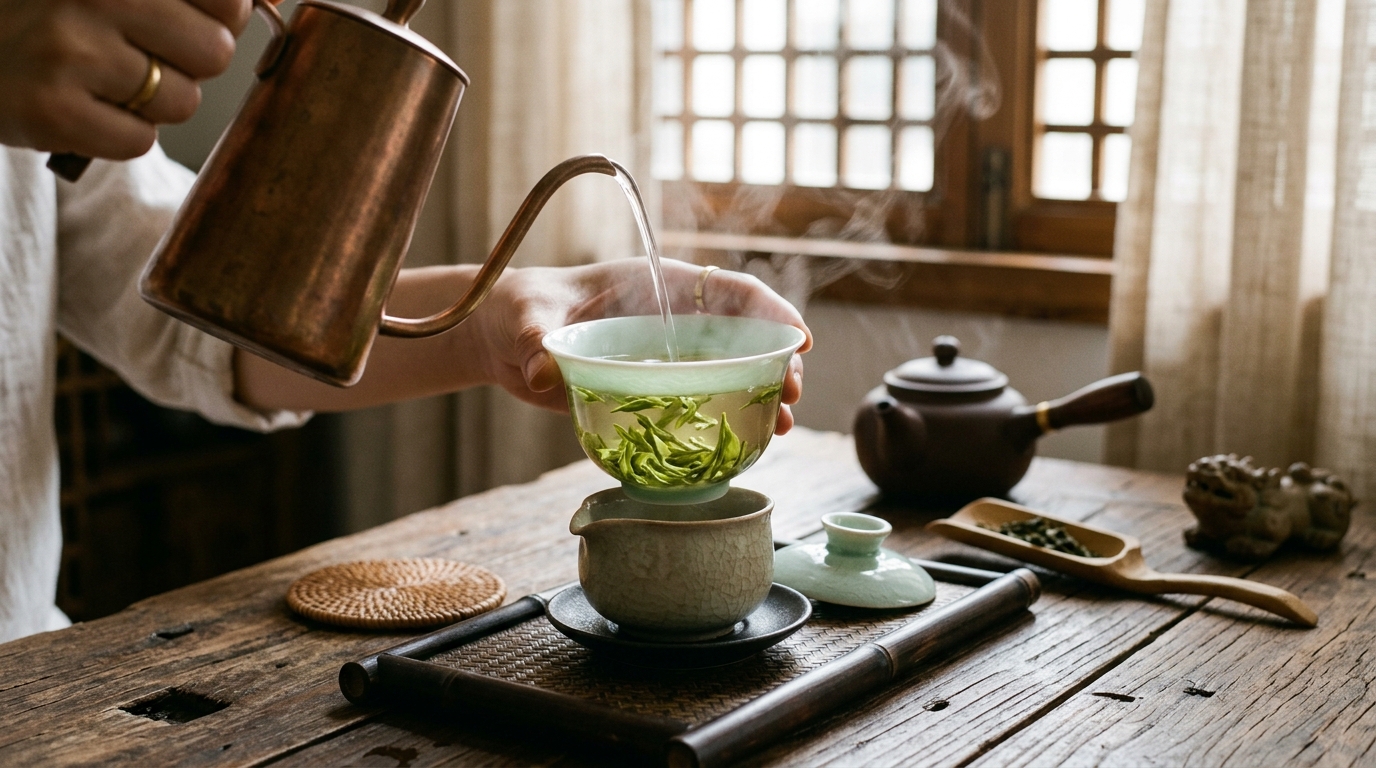
We strongly recommend brewing in a thin-walled, high-fired porcelain or celadon gaiwan. Unlike porous Yixing clay, glazed ceramic does not absorb the fleeting top notes of spring florals, allowing the drinker to analyze the purest expression of the leaf. Moreover, the open flare of the gaiwan dissipates excess thermal shock rapidly.
| Brewing Parameter | Standard Metric | Sommelier Recommendation | Technical Significance |
|---|---|---|---|
| Leaf-to-Water Ratio | 1 : 50 (g/ml) | 3g dry leaves per 150ml filtered soft water | Allows leaves full space to expand without crowding |
| Water Temperature | 80°C – 85°C (176°F – 185°F) | Rest boiling water for 2–3 minutes | Protects delicate L-theanine from thermal scorching |
| Recommended Vessel | Celadon / Glazed Porcelain Gaiwan | 110ml – 160ml thin-walled bowl with lid | Prevents heat retention; provides neutral aroma capture |
| Infusion Progression | 1st: 35s | 2nd: 45s | 3rd: 60s | 4th: 90s | Decant completely between steeps | Yields 4 to 5 distinct sensory stages of evolving flavor |
Mastering the Gaiwan: Practical Pouring Insights
- Circumferential Pouring: Pour the water gently along the inner rim of the gaiwan rather than directly blasting the center buds, allowing the leaves to swirl upward organically.
- Lid Aromatics: After decanting, tilt the gaiwan lid and bring it within an inch of your nose. The condensation on the underside holds the purest capture of the aroma profile.
- Gentle Extraction: Keep the lid slightly askew during steeping to prevent trapped heat from suffocating the green vibrancy.
V. The Five-Fold Tasting Epistemology: Sight, Scent, and Sip
A Sommelier’s Guide to Sensory Deconstruction
Tasting fine tea is a deliberate progression across five distinct stages: Observation, Inhalation, Entry, Savor, and Finish. As the water embraces the leaves, observe the “dance of the spears”—the tender buds suspended vertically like miniature bamboo shoots in a crystalline forest.
Upon sipping, do not swallow immediately. Aerate the liquor across your palate by drawing a subtle breath of air over your tongue. Notice the textural viscosity: a superior spring tea exhibits a velvety, silken body reminiscent of mountain rain, coating the gums and the roof of the mouth with effortless glide.
In the finish, observe how the initial subtle vegetal freshness dissolves into notes of sweet honeydew, roasted almond, and white blossoms, leaving the breath cool, fragrant, and profoundly replenished.
Umami & Freshness (鲜爽度) [★ 5/5]
Abundant free amino acids yielding a savory, sweet broth with vibrant mountain freshness.
Floral Aromatics [★ 5/5]
Top notes of wild mountain orchids, young lilacs, and warm toasted chestnuts.
Returning Sweetness [★ 5/5]
Immediate salivation along the cheek walls, blossoming into persistent honeyed dew.
Mouthfeel & Body [★ 4/5]
Silky, rounded liquor with zero astringency and a rich, dew-like mineral density.
Infusion Endurance [★ 4/5]
Holds structural integrity and lingering finish through five distinct steeps.
“Drink your cup of tea slowly and reverently, as if it is the axis on which the whole earth revolves—slowly, evenly, without rushing toward the future.”
VI. Living with the Leaf: Incorporating Cha Dao into Modern Life
Creating an Everyday Sanctuary of Peace and Clarity
One does not require an austere mountain retreat or antique utensils to cultivate the way of tea. The essence of Cha Dao resides entirely in intention. A single corner of your desk, a clean linen runner, a favorite cup, and ten minutes of uninterrupted presence are all that is required to erect a sanctuary amidst the noise of the day.
As the seasons shift and spring unfolds its verdant tapestry, let each cup serve as a tactile reminder: beauty requires patience, the most delicate things often harbor the greatest resilience, and true nourishment begins the moment we learn to pause.