From Leaf to Cup: A Beginner’s Guide to the 6 Types of True Tea

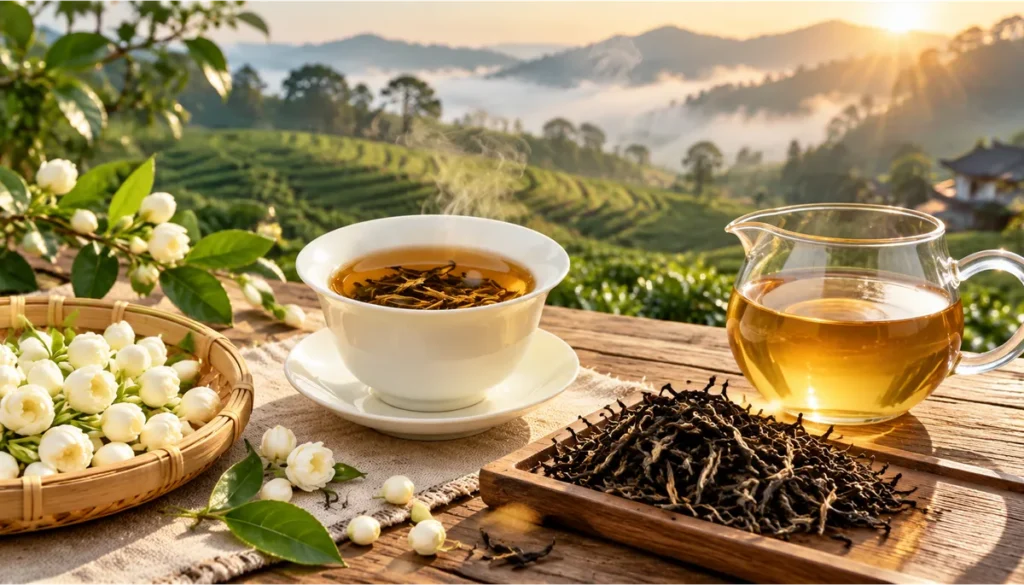
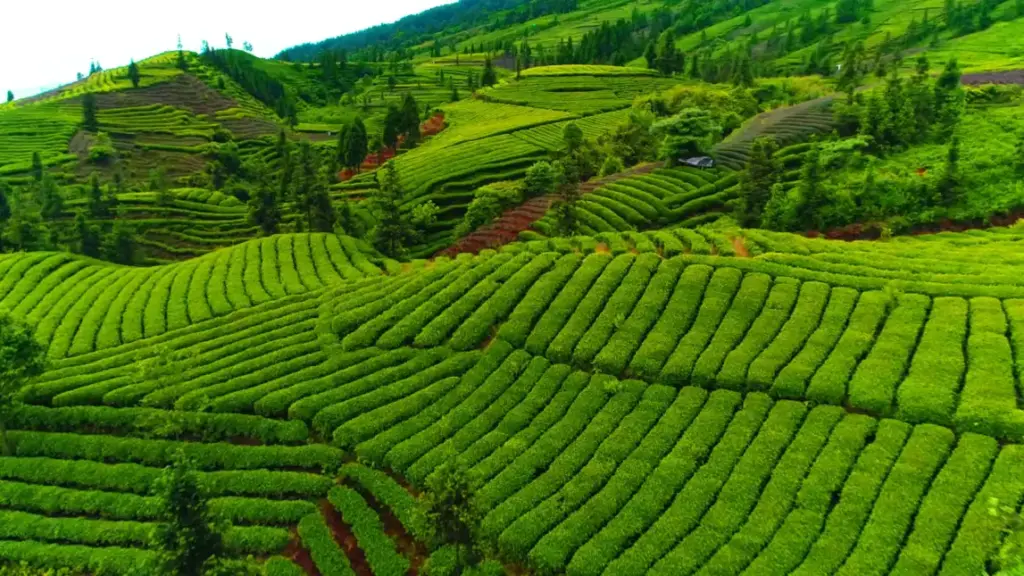
Did you know that all authentic teas—whether a delicate silver needle or a deeply roasted rock tea—originate from the exact same botanical species: Camellia sinensis?
The astonishing variety of aromas, colors, and textures you encounter in the tea world doesn’t stem from different plant species, but from how the leaves are processed—specifically, their degree of oxidation and craftsmanship. In Eastern tea heritage, tea is traditionally classified into six fundamental families. Here is everything you need to know to find your perfect brew.

1. The Six Families: Flavor Profiles & Character
Green Tea 0% Oxidation
Notable Varieties: Dragon Well (Longjing), Bi Luo Chun.
Taste Profile: Freshly cut grass, sweet chestnuts, and tender vegetal sweetness. Preserves the purest essence of spring.
White Tea 5%–10% Oxidation
Notable Varieties: Silver Needle, White Peony (Bai Mu Dan).
Taste Profile: Sun-wilted and unrolled. Delicately floral, silky, with soft hints of melon and honeysuckle.
Yellow Tea 10%–20% Oxidation
Notable Varieties: Junshan Yinzhen, Huoshan Huangya.
Taste Profile: A rare artisan tea crafted through a gentle “smothering” process that removes grassy sharpness for a mellow, buttery finish.
Oolong Tea 20%–70% Oxidation
Notable Varieties: Da Hong Pao (Rock Wulong), Tieguanyin, Dancong.
Taste Profile: The masterclass of complexity. Ranging from floral and creamy to rich, roasted stone-fruit and mineral notes.
Black Tea 100% Oxidation
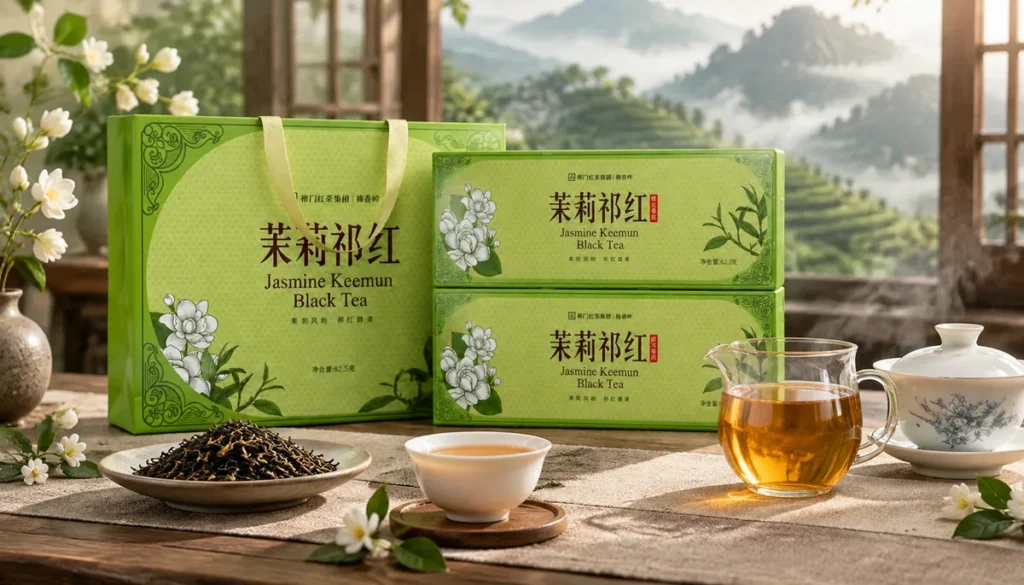
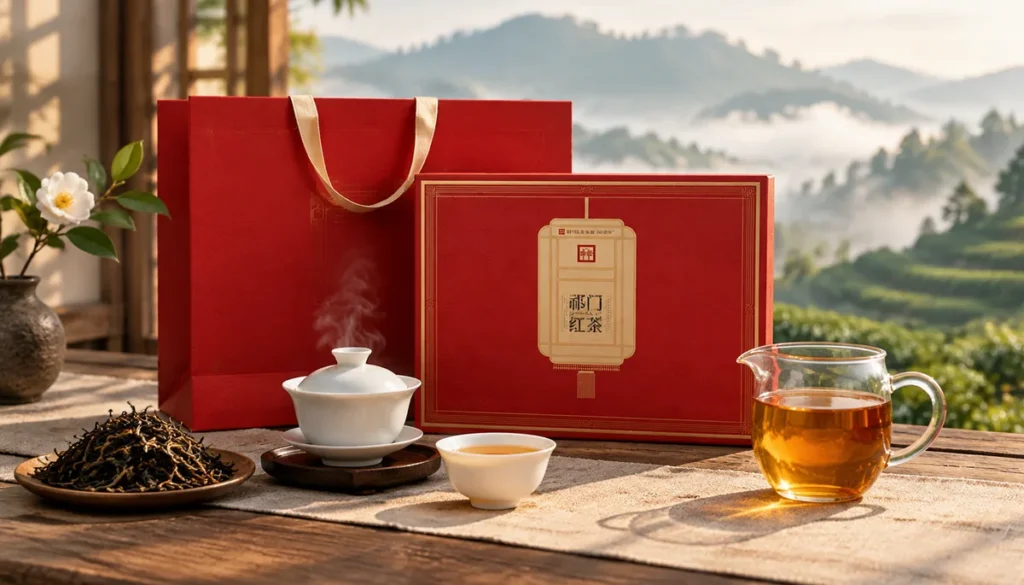
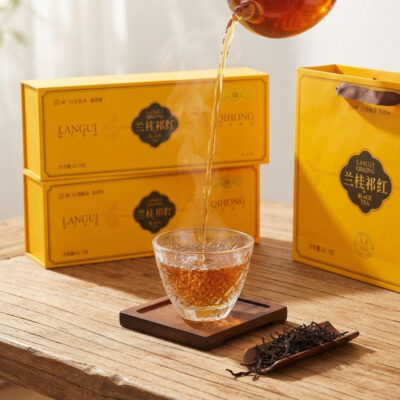
Notable Varieties: Keemun, Dianhong (Yunnan Gold), Lapsang Souchong.
Taste Profile: Called “Red Tea” in China for its luminous amber liquor. Full-bodied, warming, with accents of malt, wild honey, and cacao.
Dark Tea (Heicha) Post-Fermented
Notable Varieties: Ripe (Shou) Pu-erh, Anhua Dark Tea.
Taste Profile: Naturally aged with beneficial microflora. Earthy, grounding, velvety smooth, and soothing for post-meal digestion.

2. The Three Essentials for a Flawless Brew
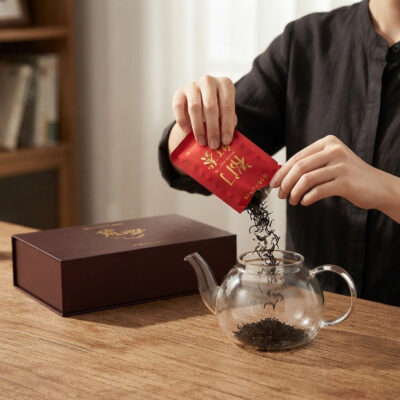
Great tea leaves deserve mindful preparation. You don’t need an elaborate setup to make an extraordinary cup—simply pay attention to these three core variables:
🍃 The Golden Rules of Steeping
- Mind the Water Temperature: Tender spring teas (Green & White) scorch easily—brew them between 175°F–185°F (80°C–85°C). Sturdier oxidized teas (Oolong, Black, and Pu-erh) shine with boiling water around 205°F–212°F (96°C–100°C).
- Tea-to-Water Ratio: For Western-style teapot brewing, use roughly 2 to 3 grams of leaves per 200ml (7 oz) of water. Adjust according to personal preference.
- Steeping Time: Avoid letting whole leaves sit indefinitely. High-grade artisan tea reveals its best flavors through multiple short infusions rather than one long, bitter soak.
The Journey Begins in Your Cup
There is no single “correct” way to enjoy tea. Beyond the history and technique lies a very simple experience: watching the curled leaves slowly unfurl in hot water and letting the aroma ground you in the present moment.
Ready to Explore Your Signature Flavor?
Curated for curious palates, our Six-Tea Discovery Flight lets you taste hand-harvested selections across every category.
Explore the Discovery Set →