Amber Symphony: The Art, Terroir, and Soul of Orthodox Black Tea
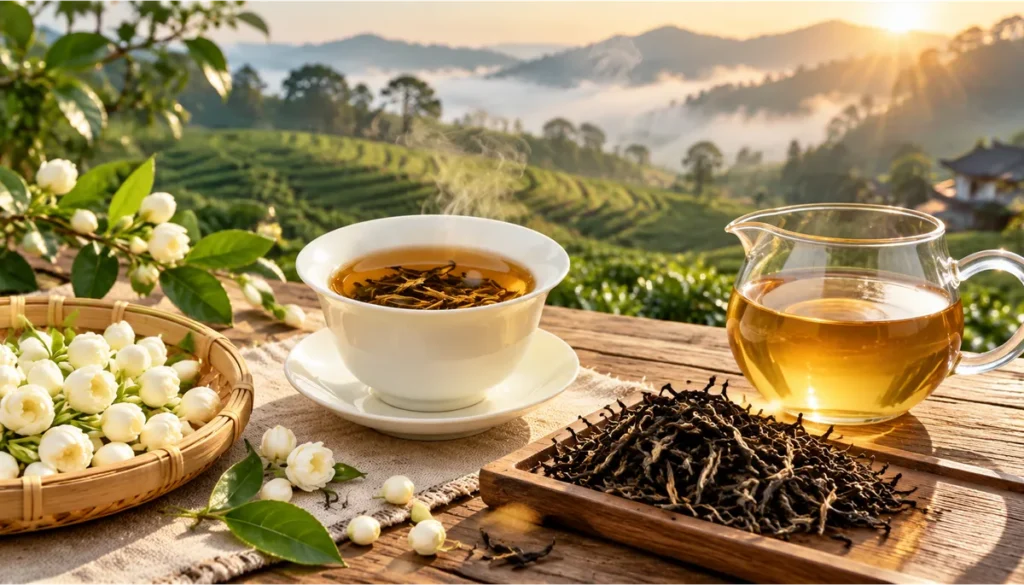
In a world dominated by instant commercial brews and syrup-laden concoctions, pure orthodox black tea offers a grounding sanctuary. Unlike green tea’s sharp verdant edge or the ephemeral subtlety of young white teas, authentic whole-leaf black tea undergoes complete, patient oxidation. It leaves all harsh bitterness behind, emerging as a rich, deeply soothing nectar with notes of orchid, dried longan, and dark honey.
1. Born in the Clouds: The High-Altitude Terroir
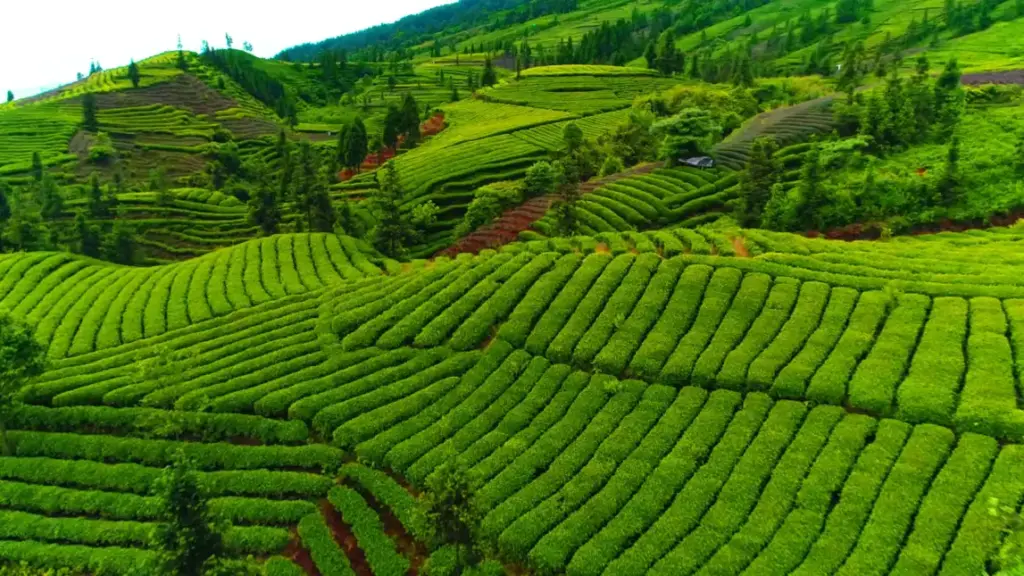
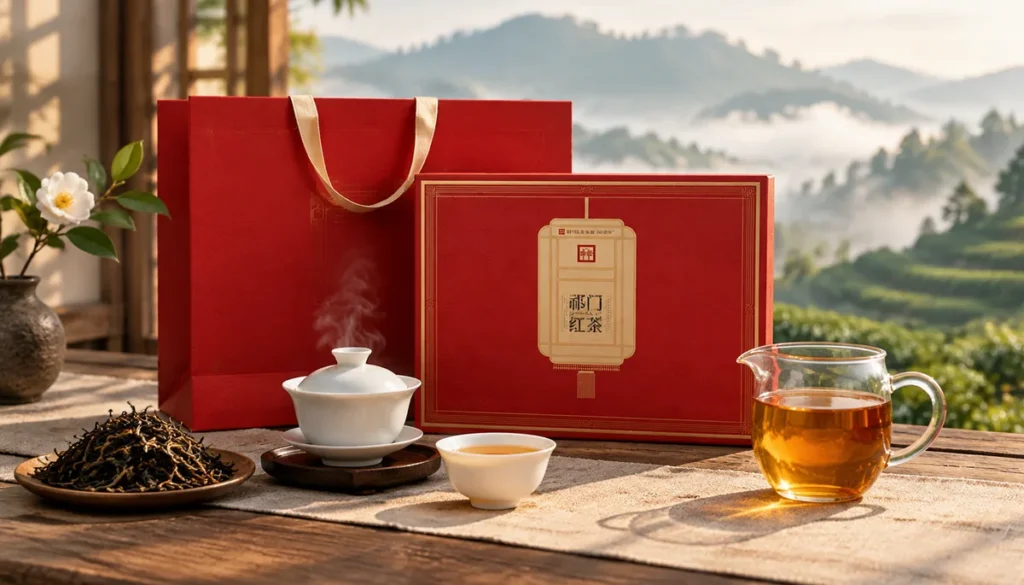
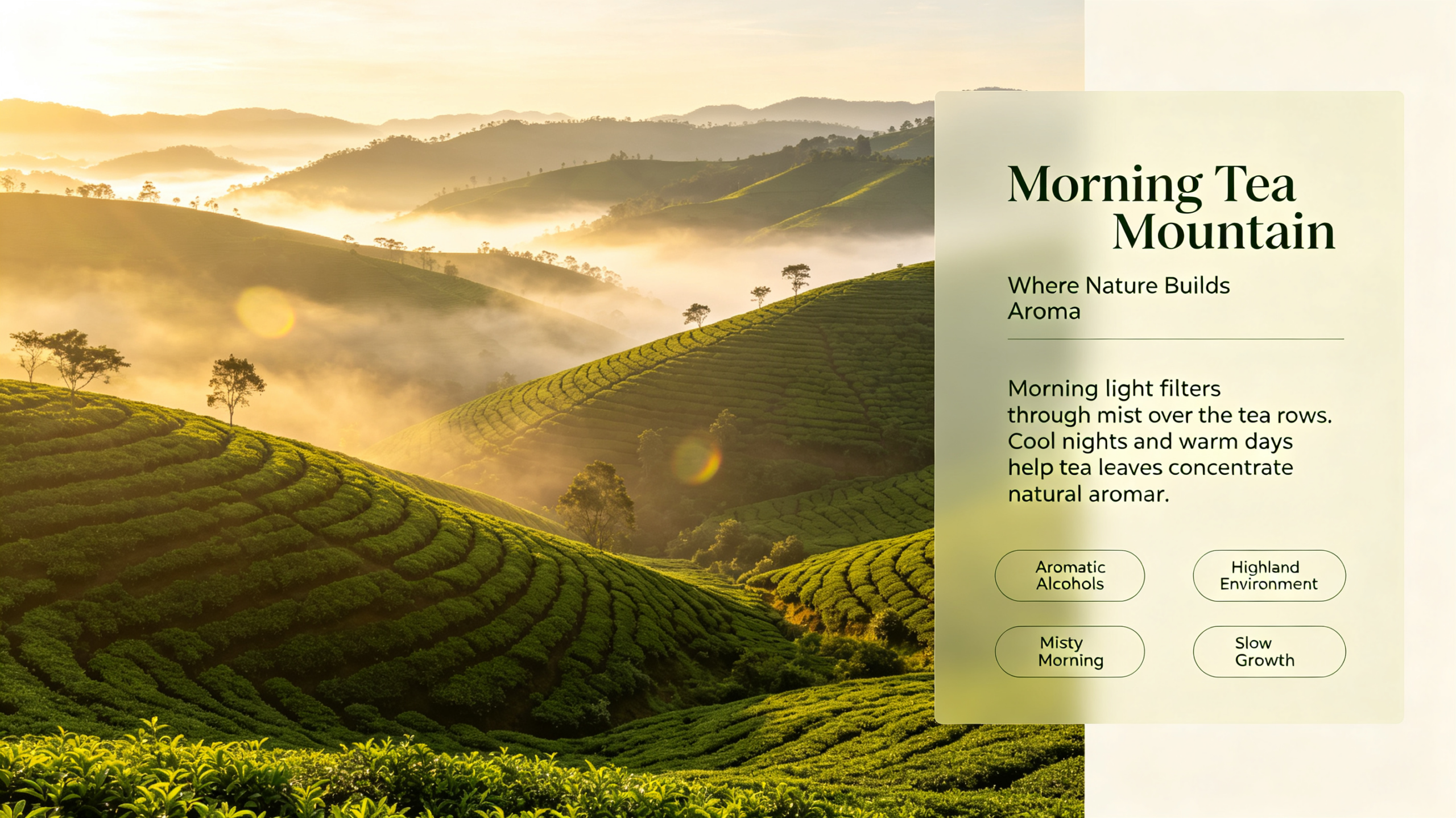
As the time-honored adage reminds us: “Great tea grows where clouds and mists dwell.” The natural sweetness and intricate floral character of artisan black tea cannot be replicated in flat industrial plantations. From the birthplace of black tea in Fujian’s misty Tongmu Village to the craggy slopes of Huangshan and the ancient rainforest peaks of Yunnan, authentic black tea is a gift of altitude.
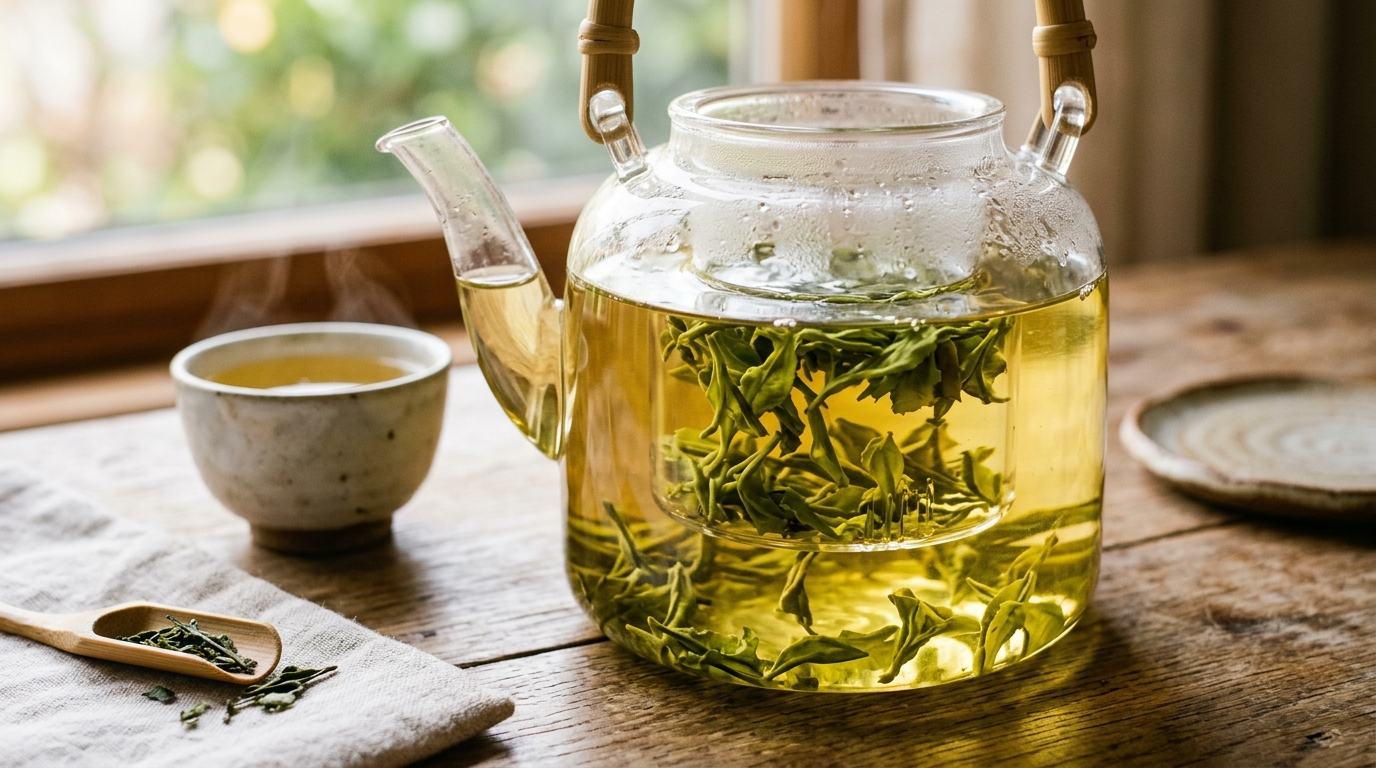
High above the lowlands, dense canopies of morning fog shield the tea leaves from harsh direct sunlight. In this cool, damp microclimate, tea bushes grow at a deliberate, contemplative pace. This allows the plants to concentrate higher levels of L-theanine and aromatic compounds while keeping bitter tannins remarkably low. What reaches your teapot is nothing less than pure mountain nectar.
2. Distinct Characters: A Tasting Map of Historic Black Teas
Every mountain range writes its own distinctive signature into the leaf. When you savor whole-leaf black tea, you are experiencing the living soul of a specific geographical terrain:
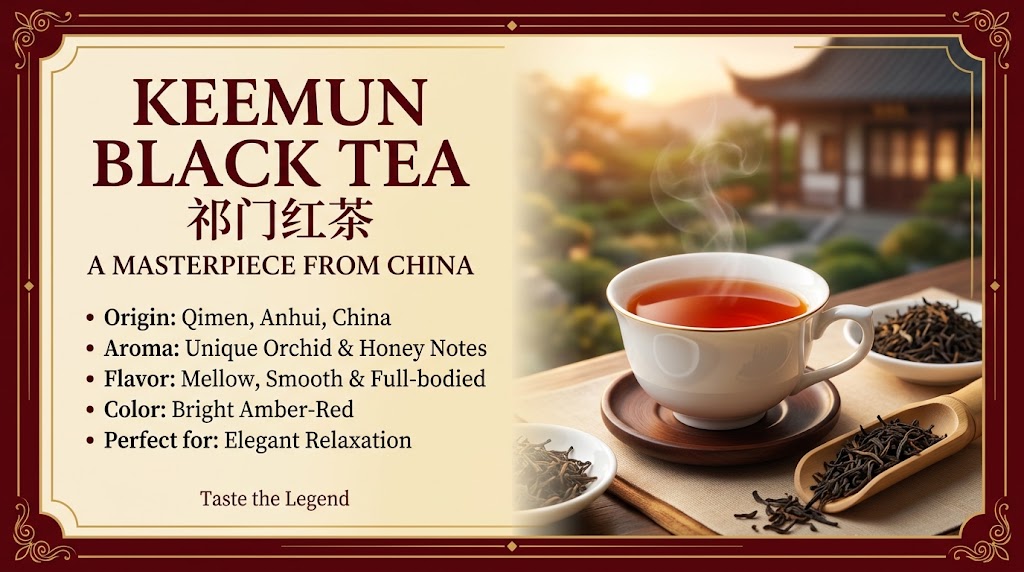
Qimen Black (Keemun)
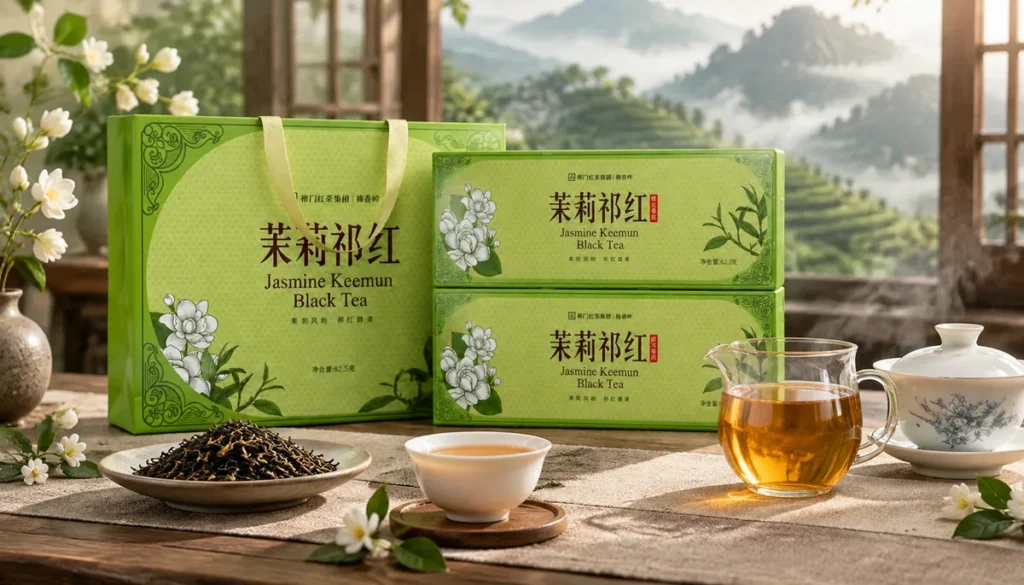
Celebrated as the “Queen of Fragrance” from Anhui’s Huangshan range. Noted for its tight, glossy dark leaves and signature “Keemun scent”—an enchanting blend of wild rose, honey, and baked apple.
Wuyi Mountain & Jin Jun Mei
From the rocky valleys of the Wuyi Nature Reserve. Picked solely from tender spring buds, Jin Jun Mei produces a bright golden broth brimming with mountain orchid notes and velvety floral sweetness.
Yunnan Dianhong
Crafted from wild-growing broadleaf trees along the Lancang River. Distinguished by its lustrous golden tips and hearty, full-bodied liqueur that carries notes of caramel, malt, and roasted sweet potato.
3. The Oxidation Alchemy: Chasing the “Golden Ring”
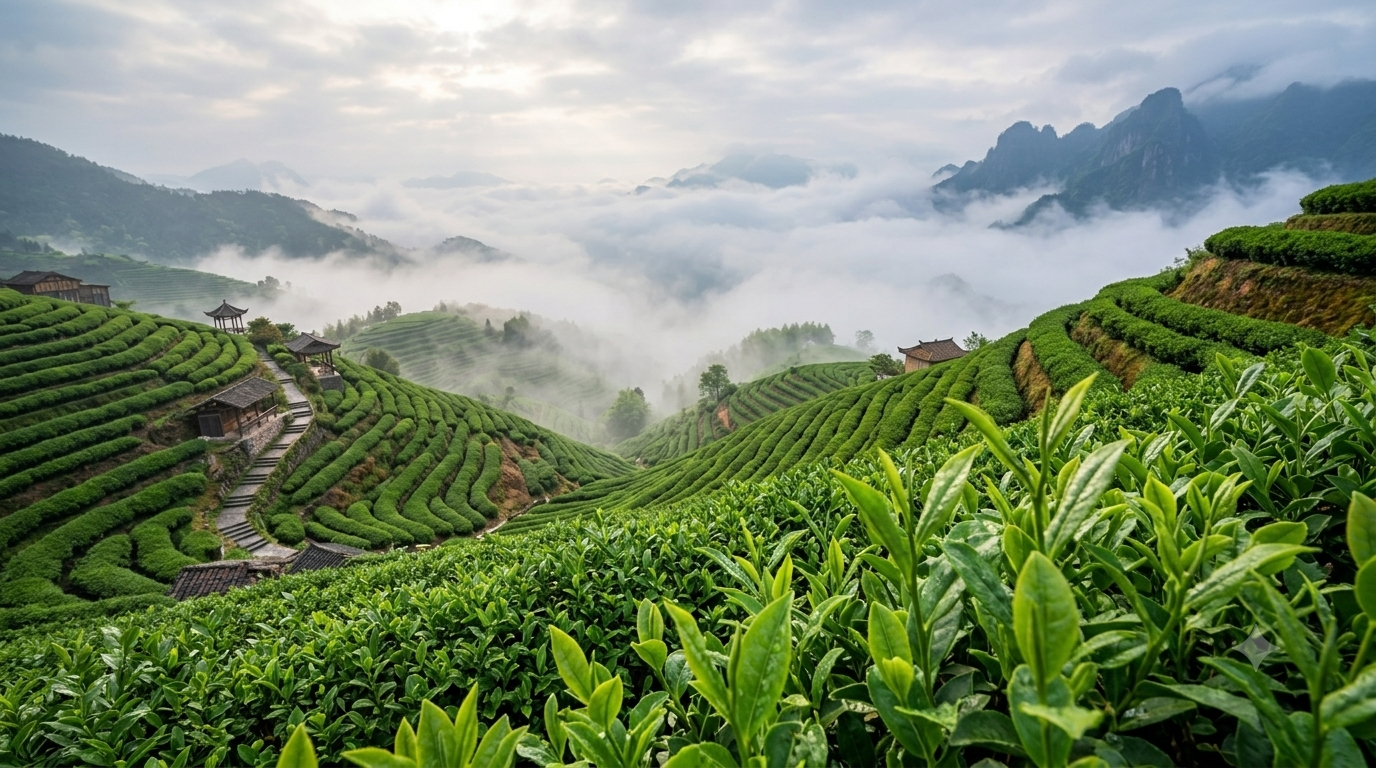
The transformation from a fresh green leaf to a mahogany-hued black tea is a masterclass in organic chemistry. Through disciplined withering, precise rolling, and enzymatic oxidation, simple catechins combine to synthesize two revered compounds: Theaflavins and Thearubigins.
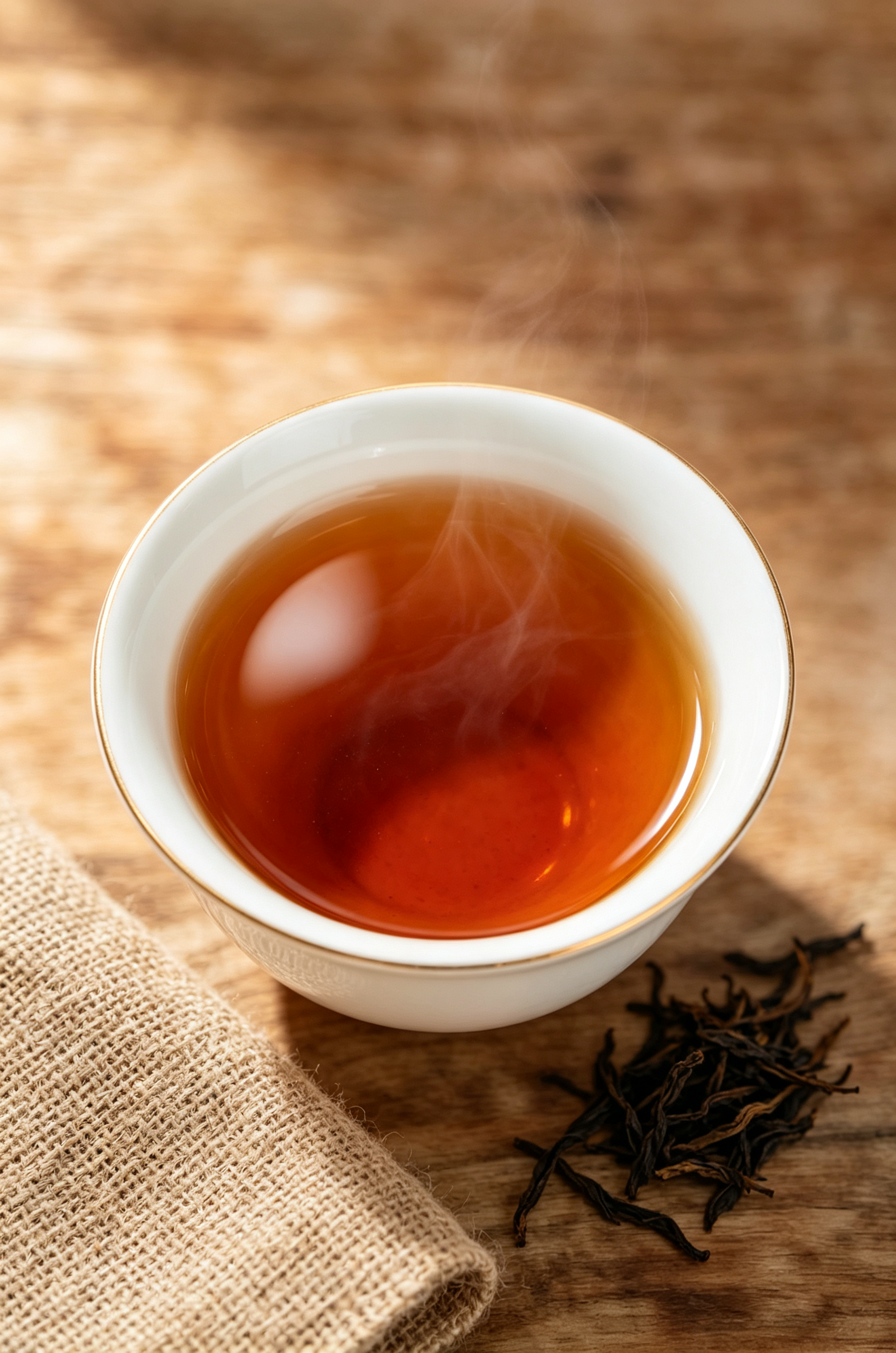
Theaflavins are responsible for the tea’s brisk vibrancy and clarity, while thearubigins provide depth, warmth, and reddish hues. In fact, when an elite black tea is poured into a white porcelain cup, connoisseurs look for the “Golden Ring”—a luminous, halo-like ring shimmering along the rim of the cup. The thicker and brighter this halo, the richer the tea is in pristine theaflavins.
4. The Sommelier’s Guide: 4 Steps to the Perfect Steep
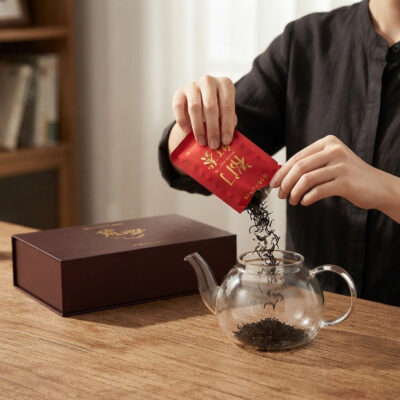
Steeping high-grade black tea should never be rushed. To tease out its layered complexity without scorching the delicate floral notes, follow this simple ritual:
Because full oxidation neutralizes harsh astringency, pure black tea is uniquely gentle on the stomach. It serves as the ideal morning awakening, a midday digestive companion, or a calming sanctuary on a cool evening.
Steep the Purity of the Wild Mountains
No additives, no artificial flavorings—just whole, pristine leaves hand-harvested from high-altitude misty peaks and traditionally charcoal-roasted. Bring the slow, restorative warmth of genuine orthodox black tea into your everyday ritual.
Explore the Black Tea CollectionFrom misty valleys to your teacup—rediscover how extraordinary real tea can taste:
👉 Visit the official online store: https://www.theteapal.com/shop/