The Architecture of Scent: Decoding the Terroir of Keemun Black Tea
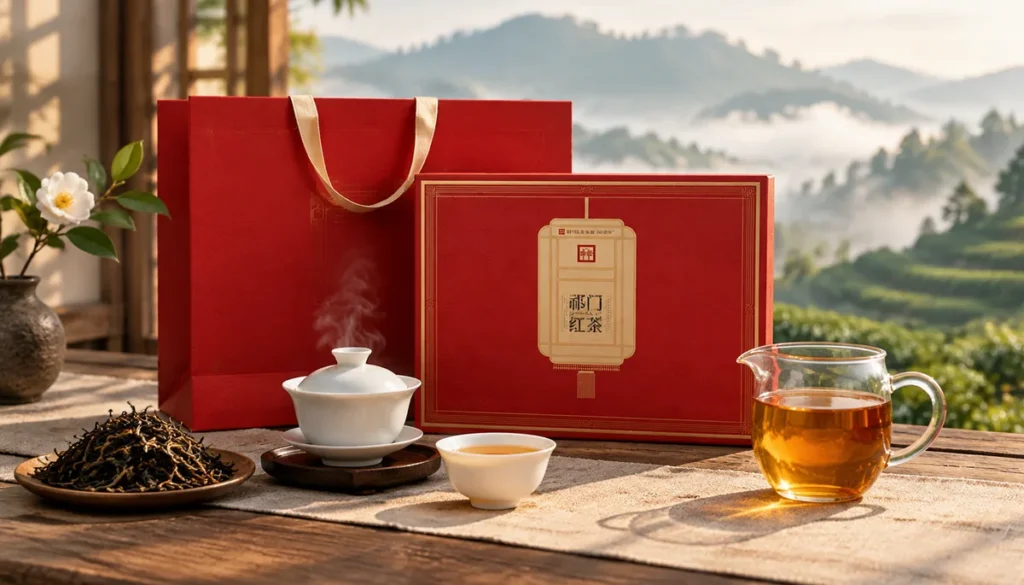
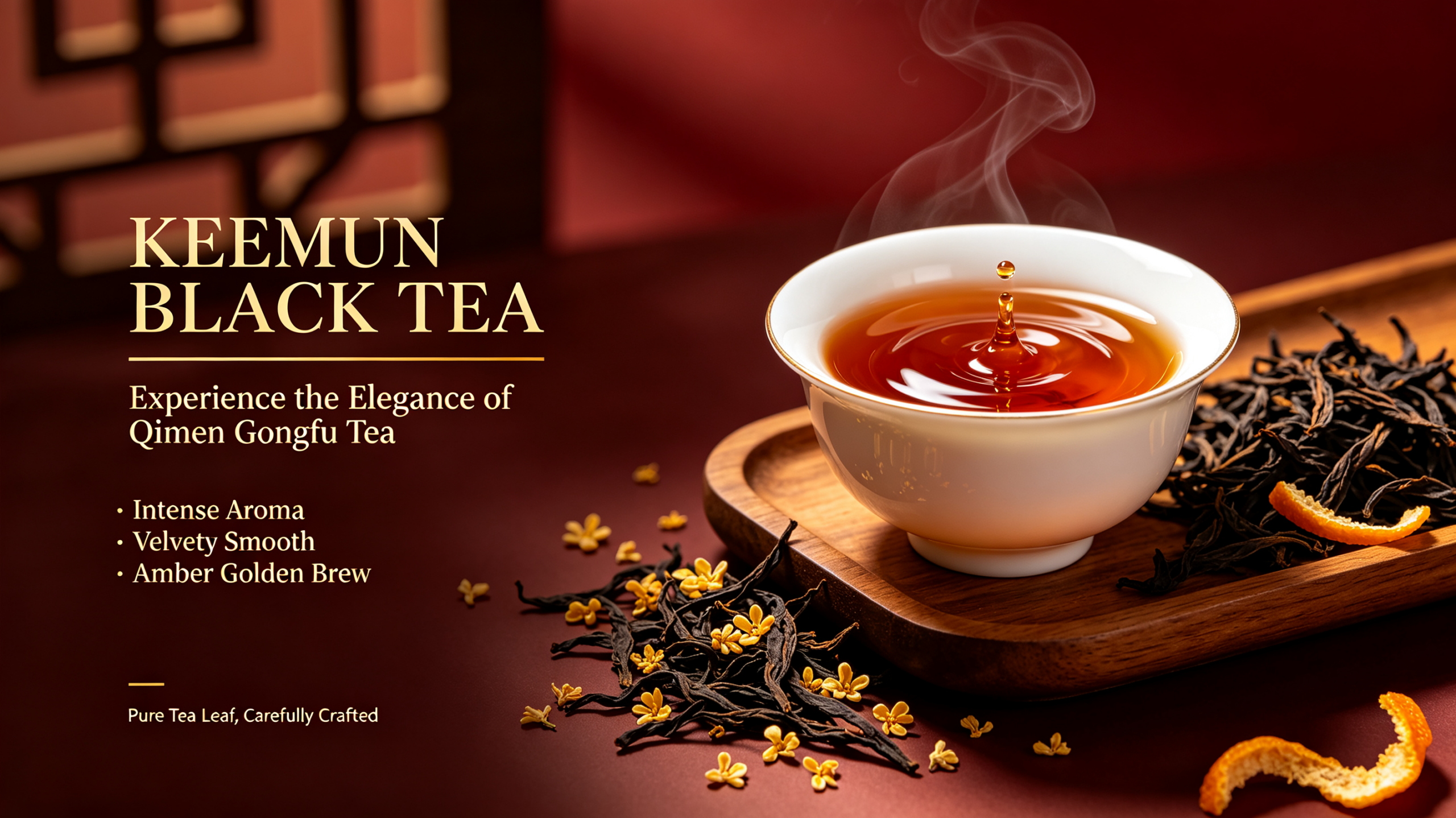
In the taxonomy of world teas, Keemun (祁门红茶) is rarely understood merely as a beverage. It is an aromatic architecture. Where Indian Assams rely on punchy malt and Darjeelings trade on youthful astringency, Keemun builds a slow, velvet resonance—fusing mountain mist, wild orchid petals, and toasted wood into a singular sensation known simply as the “Keemun Aroma.”
Primary Bouquet
Spring Orchid & Rose
Heart Notes
Dried Apricot, Honeycomb
Base Resonance
Toasted Oak & Cocoa
Mouthfeel
Silky · Zero Astringency

01 / The Geographic Perimeter
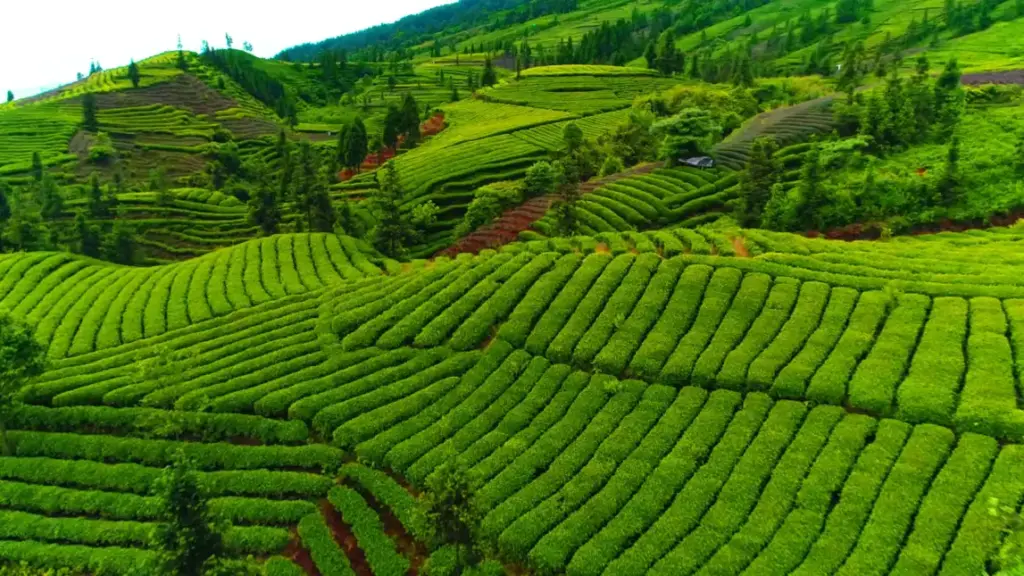
True Keemun is bound by strict ecological borders. Located within the misty ravines of southern Anhui Province (between 29°35′ and 30°10′ N latitude), the appellation acts as an enclosed micro-basin.
Here, acidic red-yellow earth with deep humus beds allows the endemic Zhu-Ye (bamboo-leaf) cultivar to synthesize exceptionally high levels of geraniol and myrcenol—the natural chemical compounds responsible for its intoxicating floral perfume.
Protected Appellation Range
Cartographic layout of core harvesting valleys in Qimen Basin
Likou Valley (Prime Cru)
Surrounded by bamboo forests. Leaves retain unmatched delicacy and a persistent, cool orchid fragrance.
Pingli & Shanli
Dense mineral soil produces succulent shoots that yield thick mouthfeel, amber clarity, and honey sweetness.
Outer Belt (Dongzhi / Yi)
Slightly lower altitudes yielding bold, brisk, full-bodied leaf profiles ideal for European afternoon tea blends.
02 / Two Modern Sensory Rituals
Keemun sits at the nexus of two great tea traditions. It was brewed gongfu-style in scholar studies across the Qing Dynasty, yet simultaneously filled bone china cups inside Victorian drawing rooms. In modern living, it serves two distinct moods.


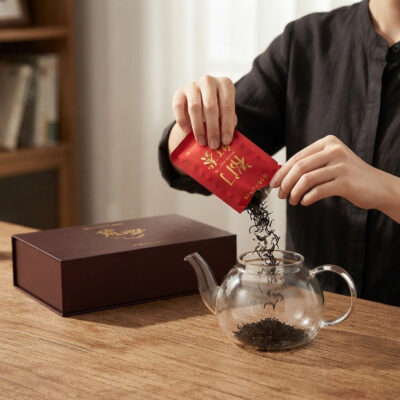
For focused work, the Gongfu approach offers a meditative cadence. Steep small batches in quick 10-second intervals; the aroma shifts subtly from honeysuckle to cocoa with each subsequent round. When entertaining or reading, infuse it in a larger glass or ceramic teapot—its natural lack of bitterness ensures a cup that stays balanced, even as it cools.
03 / Sommelier Brewing Matrix
Because true artisanal Keemun consists of fine, tender spring buds, boiling water at 100°C (212°F) will dull the volatile top notes. Treat the leaves with gentleness:
| Method | Leaf Dose | Temperature | Steep Duration | Rounds |
|---|---|---|---|---|
| Gongfu (Gaiwan) | 4.5g / 110ml | 90°C (194°F) | 10s, 15s, 20s, +5s | 6–8 Infusions |
| Western Pot | 3.5g / 300ml | 92°C (198°F) | 2.5 to 3 Minutes | 2–3 Infusions |
Procure the Harvest
Experience authentic single-origin Keemun hand-picked during the early spring flush in the mist valleys of Likou.
Explore at The Tea Pal